
The nonprofit / NGO
Support people directly
The nonprofit helps people living with bipolarity, depression, anxiety and other mental health conditions through education, community, practical tools and peer-led support.
Built from lived experience
HopeStage is an impact platform built by people with lived experience, alongside clinicians, researchers and entrepreneurs. What began with one story about bipolarity has grown into communities, education, digital tools and research services that turn patient trust into better support and better mental health decisions.
Lived experience is expertise.
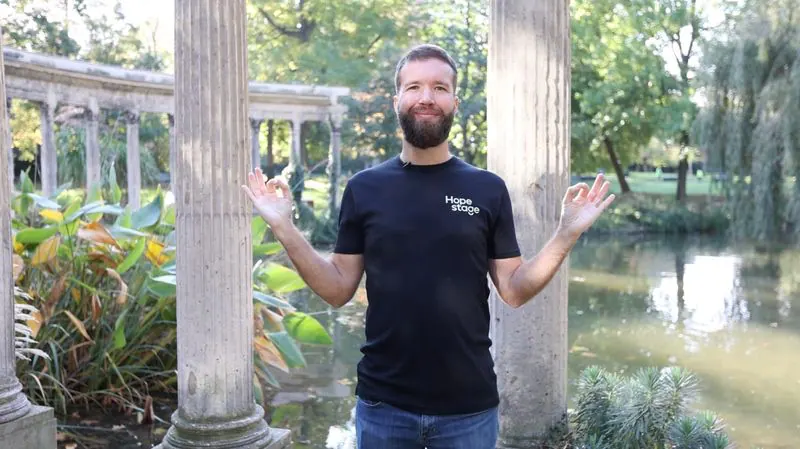
Why I started HopeStage
HopeStage grew from direct experience: the confusion of finding reliable information, the courage it takes to speak openly, and the difference that practical support and the right people can make. We are here so lived experience helps shape the decisions—not simply decorate them.
“People with lived experience are experts, not just testimonials.”
Our impact model
HopeStage combines public-benefit work with commercial execution. The two parts are separate in purpose and reinforce the same goal: helping better mental health support and innovation reach real people.
The nonprofit / NGO
The nonprofit helps people living with bipolarity, depression, anxiety and other mental health conditions through education, community, practical tools and peer-led support.
The impact company
The company partners with biotech, pharma, clinical trial teams, researchers and innovators on patient trust, recruitment, insight, participation and adoption.
The commitment
Commercial success expands the public mission. Half of the company’s profits are donated to mental health NGOs, creating a sustainable loop between expertise, execution and impact.
The people behind HopeStage
HopeStage combines lived experience with clinical expertise and the practical work of building communities and research partnerships.
Founder & CEO, HopeStage
Clément lives with bipolarity. He built HopeStage from personal experience into mental health communities, patient education, peer support and research partnerships.

Psychiatrist at HopeStage
Psychiatrist and coordinating physician for a mobile neurodevelopmental assessment team. His expertise includes autism, ADHD and bipolarity, with knowledge of anxiety conditions and borderline personality disorder.
Public HopeStage profile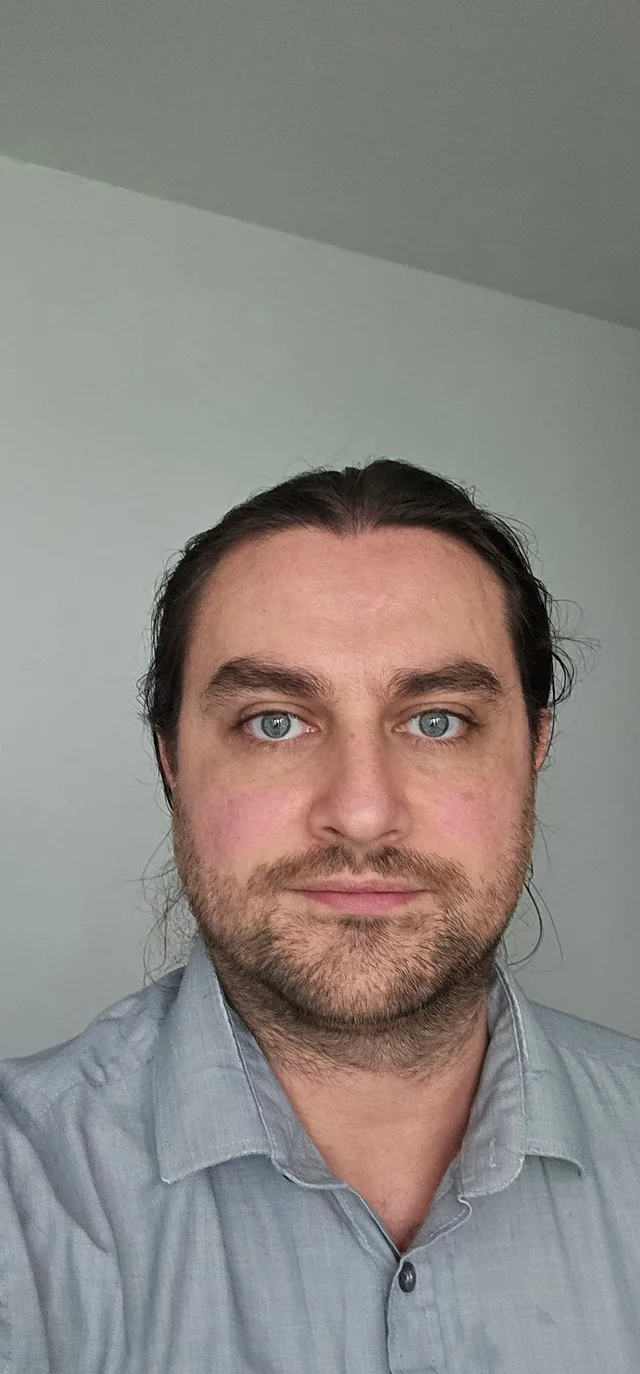
Psychiatrist at HopeStage
His clinical approach includes recovery, cognitive behavioural therapy, diagnosis and medication. He emphasises collaborative care and people’s active involvement in their mental health.
Public HopeStage profilePeople, not personas
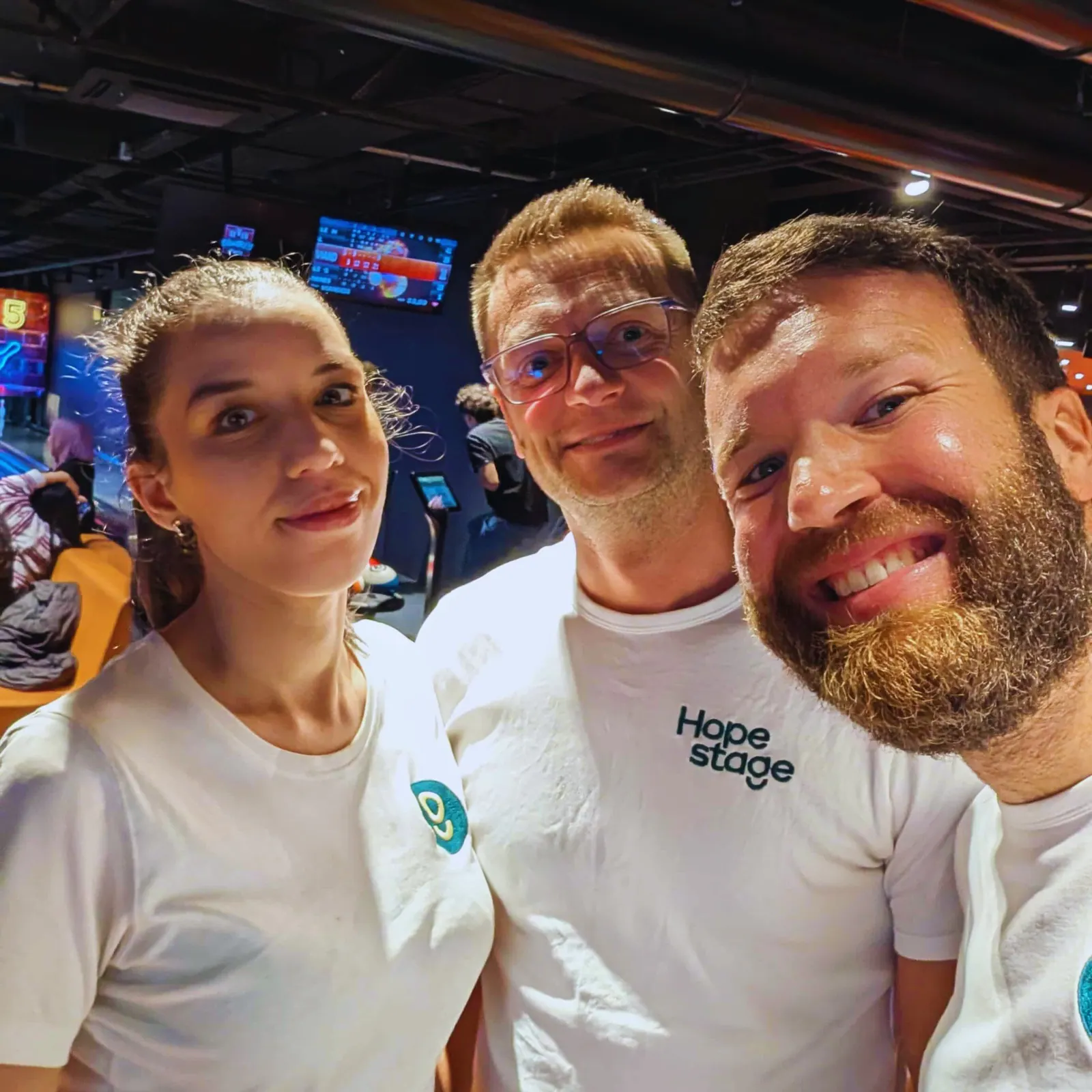
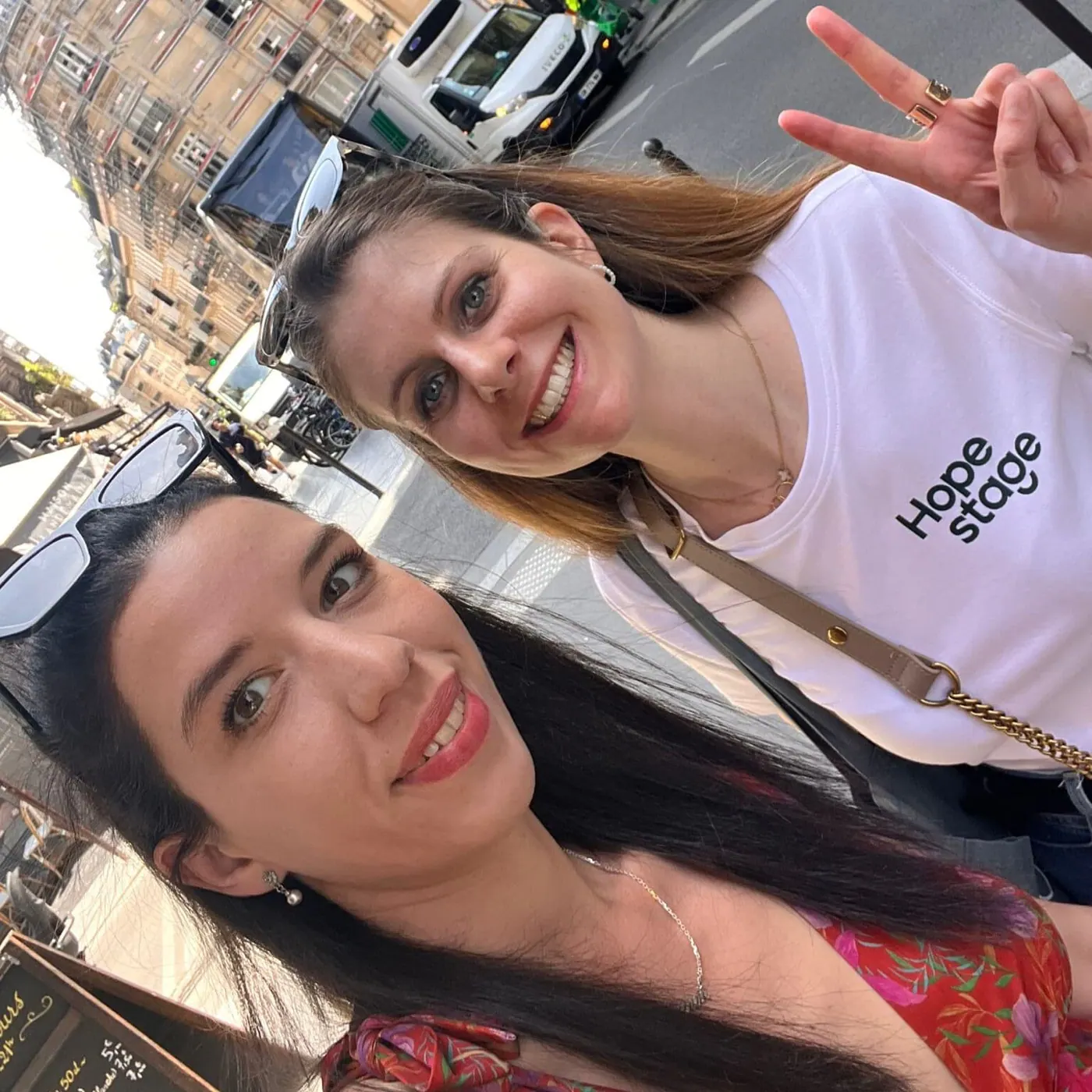
HopeStage has been built by people who live these realities, love someone who does, or have dedicated their work to improving mental health. That changes the questions we ask, the language we use and the responsibility we feel.
Trust in practice
Our patient-facing work, community relationships and partner network create direct understanding. Our commercial work funds and strengthens the wider mission. HopeStage never sells private health data or treats its community as a list to be exploited.
People with mental health conditions and their loved ones connected through HopeStage.
Trusted organizations working directly with HopeStage across mental health.
Combined reach across France, the US, Australia and beyond through trusted community partnerships.
Public studies made easier to find and understand through HopeStage Research.
What guides us
These choices shape how we build, collaborate and make decisions when the answer is not obvious.
How we work
They are practical commitments rather than wall decoration. They keep the beneficiary, the mission and the quality of our decisions in view.
The person living with bipolarity—or another mental health condition—comes first. When priorities compete, we choose the path that improves the quality, dignity and accessibility of the support people receive.
Mental health deserves urgency and care. We test thoughtful ideas, acknowledge when something does not work and discuss it early so we can learn, repair and improve together.
Good technology can save time, make information easier to use and help people and professionals notice patterns. It should support human care, not replace it.
Impact needs investment, talented people and room to innovate. We are comfortable generating revenue when it is aligned with better outcomes—and our company gives 50% of its profits to the nonprofit mission.
Body, mind, relationships, work, sleep and daily habits affect one another. We support a holistic, evidence-informed view while collaborating with qualified professionals and specialist organizations where their expertise is needed.
Psychiatrists and medical professionals are essential. So are peers, families, educators, researchers, designers, technologists and people from other backgrounds. Diversity of expertise creates better solutions.
Stigma grows in silence. We create safer ways for people to understand bipolarity, accept themselves and—when they choose—talk with loved ones, communities or colleagues.
Public institutions play a vital role, but lasting progress also needs associations, businesses, researchers, foundations and communities working together. Diverse support makes the mission more resilient.
People living with bipolarity are active participants in their own recovery. Loved ones, clinicians and peers can help, while stable peers can offer something especially powerful: practical hope grounded in experience.
A serious subject does not require a cold voice. Warmth, laughter, gifs and moments of lightness can reduce fear, make connection easier and remind us that people are always more than a condition.
Sydney · Paris · Global
Whether you are building support for people or improving a research, recruitment or adoption journey, we can start with one focused question.