
Fit
Poor-fit interest
People may respond without fully understanding the study, geography, practical commitment or basic criteria. This creates activity without necessarily creating useful recruitment progress.
Why HopeStage
A study can generate awareness and still struggle to turn interest into screening and enrolment.
In mental health, trust, understanding, stigma, uncertainty and practical burden can shape whether someone ever takes the next step.
Before screening
A campaign can generate clicks and enquiries while still underperforming where it matters. Poor understanding, weak fit and unresolved concerns create cost long before a participant reaches screening.
Fit
People may respond without fully understanding the study, geography, practical commitment or basic criteria. This creates activity without necessarily creating useful recruitment progress.
Site workload
Coordinators spend valuable time chasing enquiries, repeating basic information and speaking with people who were unlikely to progress.
Follow-through
People disengage when burden, expectations, trust, safety, travel or practical questions remain unclear.
The opportunity is not simply more reach. It is better-informed interest, better preparation and a clearer path to screening.
Why recruitment works differently
Sponsors, CROs and sites can buy advertising. What is harder to buy is an existing relationship with people who have already spent time engaging with mental health education, communities and lived-experience content.
How lived experience informs our workRelationships built through
Paid recruitment can create awareness. HopeStage adds a trust and understanding layer that advertising alone cannot create overnight. We complement existing recruitment channels and the teams behind them.
Recruitment does not always need to begin with a cold interaction.
What changes
Understanding
Participant-friendly explanations help people understand the purpose of the study, practical burden, location and next steps without diluting the science.
Insight
Lived experience helps surface misunderstandings, fears, hesitation, stigma and practical concerns before they become silent drop-off.
Preparation
People can understand more about the opportunity before deciding whether they want to continue towards site contact.
Continuity
Approved early-fit support and consent-aware referral create a clearer route from interest to the authorised research team.
The goal is not simply more leads. It is a focused flow of relevant, informed and better-prepared potential participants.
The participant journey
An illustrative comparison, not a description of every recruitment pathway. Existing teams may already provide some of this support.
Without the HopeStage layer
With HopeStage
HopeStage does not replace site screening. We improve the journey before the site’s clinical work begins.
Clear responsibilities
Final clinical eligibility, informed consent and enrolment always remain with the authorised study team.
Built over time
HopeStage was not created as a clinical trial lead-generation database. Its communities, podcasts, educational resources and mental health initiatives existed before clinical research became a commercial focus.
That history matters because people often engage with HopeStage first around understanding their condition, hearing other people’s experiences or finding useful information.
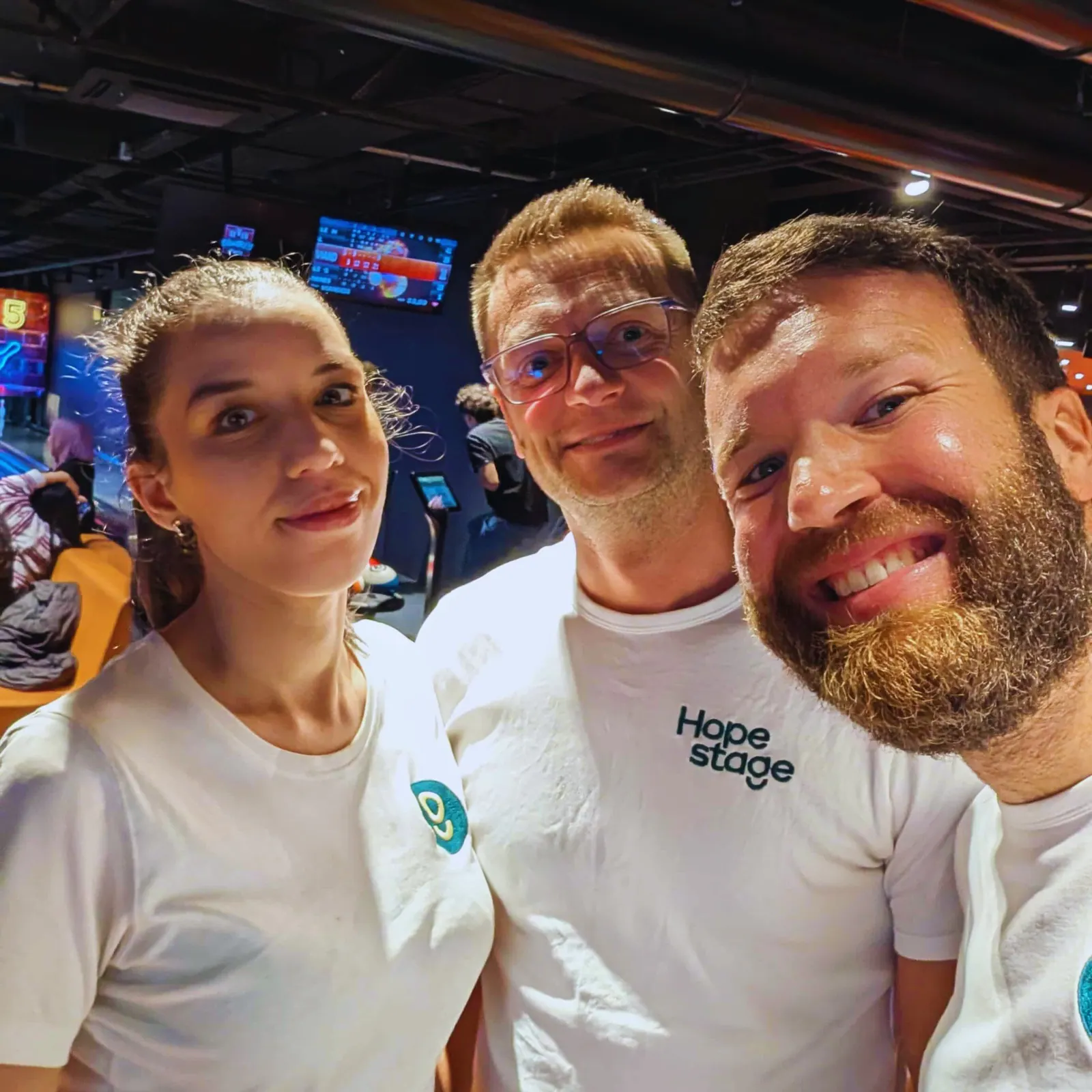
People with mental health conditions and their loved ones connected through HopeStage.
Trusted organizations working directly with HopeStage across mental health.
Combined reach across France, the US, Australia and beyond through trusted community partnerships.
These figures describe community relationships, not a pool of eligible or available study participants. Outreach is study-specific and participation is voluntary.
HopeStage Research
HopeStage Research helps people discover and understand mental health studies in participant-friendly language and provides a consent-aware route towards appropriate research opportunities.
A practical first conversation
Bring us one study, its geography and the current recruitment challenge.
We can look at where trust, understanding, fit or handoff may be breaking down, and whether HopeStage is the right partner to help.
No recruitment guarantee. No clinical eligibility decisions. A practical conversation about one real study.